

Renovation Playbooks for Real Homes, Unboxed
Today we’re diving into renovation playbooks for real homes, built from practical steps, honest budgets, and lessons learned in small apartments, century-old bungalows, and busy family houses. Expect clear routines, real stories, and adaptable frameworks you can start using tonight. Ask questions, challenge ideas, and share photos of your space so we can refine these plays together and celebrate the progress that makes everyday life easier, healthier, and more beautiful.
Start Smart: Assess Before You Demo

Walkthrough With Purpose
Carry sticky notes, a moisture meter, and your phone camera. Label squeaks, drafts, soft floors, leaky traps, and outlets with weak grip. Note sun paths, noise sources, pet zones, and traffic bottlenecks. Record ceiling heights, radiator locations, and odd soffits. Post your walkthrough notes to compare with others; you’ll learn patterns quickly and prioritize repairs that protect the entire project from hidden headaches.
Budget Baseline and Buffers
Establish a realistic baseline that covers scope, labor, materials, taxes, and disposal. Add a contingency of at least fifteen percent for older homes, ten percent for newer ones. Price fixtures now to avoid emotional choices later. Track cash flow by week to prevent delays. If you’ve blown a budget before, tell us where it slipped; we’ll help design guardrails, milestone gates, and decision deadlines that keep spending honest.
Permits, Codes, and Neighborly Planning
Call your local building department early, not as an afterthought. Ask about structural, electrical, and plumbing thresholds requiring permits. Clarify historical district rules and energy codes. Draft a courteous note for neighbors about schedule, parking, and noise, and share your contact for quick problem-solving. Post your permit timeline below; we’ll benchmark it together and compile tips to keep inspections predictable and project momentum steady.
Design That Serves Daily Life
Design is a performance, not a mood board. Start with how you cook, work, rest, and host. Draw simple plans showing clearances, reach zones, and storage volume. Favor durable finishes and flexible layouts that grow with you. We’ll trade templates, small-space miracles, and realistic lighting strategies, then pressure-test choices against maintenance, cleaning time, and the way mornings actually feel. Drop your sketches for friendly, practical feedback.
Flow Over Flash
A kitchen with smooth triangle paths beats any trending tile. Bathrooms need towel reach, ventilation, and non-slip transitions more than dramatic mirrors. Map how groceries move from entry to pantry, or laundry from bedrooms to machines. Your routine decides winners. Share a bottleneck in your home; we’ll propose two alternative layouts using tape-on-floor mockups and timed walkthroughs to prove which flow quietly supports everyday life.
Material Mix With Staying Power
Blend workhorse surfaces with statement pieces: quartz near heavy chopping, solid wood for warmth, and a durable paint that scrubs without flashing. If budget is tight, prioritize touchpoints like hardware, faucets, and door levers. Consider repairability and local availability. Tell us a finish you regret; we’ll translate that lesson into a smarter specification list and a maintenance plan that preserves beauty without demanding weekend sacrifices.
Light, Color, and Sound
Layer ambient, task, and accent lighting; dim where you wind down, boost where you read or prep. Test paint under morning and evening light, not just store LEDs. Add door sweeps, rugs, and soft panels to calm echoes. Small acoustic fixes transform apartments. Post a lighting photo at two times of day; we’ll suggest bulb temperatures, shade styles, and switch positions that make rooms feel intentional and calm.
Live-In Phasing Without Chaos
Staying in the house? Plan zones, routines, and temporary comforts before work begins. Rotate rooms like chess pieces, protect clean paths, and stage a mini-kitchen or pop-up office. Children, elders, and pets need predictable quiet zones. We’ll share weekly phasing maps and teach you how to seal dust, schedule deliveries, and time loud work. Comment with your family’s schedule so we can tailor a calmer, livable plan.
Execution Routines That Keep Work Honest
Write scope in plain language with measurable outcomes: square footage, model numbers, finish codes, and tolerances. Any change triggers a dated form with cost, time impact, and approvals. This sounds formal but saves friendships. Share a confusing line item you’ve seen; we’ll rewrite it together and build a template that prevents assumptions, protects quality, and keeps every decision visible, priced, scheduled, and genuinely understood by all.
A simple daily log tracks who was on site, what was completed, and what’s blocked. Photos document hidden work like insulation and wiring. Quick huddles align tasks and reveal missing materials early. Post your preferred logging app or notebook style; we’ll compare formats and assemble a lightweight routine that delivers clarity without paperwork fatigue, letting the crew build while you stay confidently in the loop.
Tie payments to milestones, not promises. Build punch lists room by room, with photos and annotated notes. Require manuals, warranties, and paint codes before final checks. Schedule a ninety-day follow-up for seasonal adjustments. Share how you structure retainage; we’ll suggest a fair schedule that motivates completion, protects cash, and lands the project with clean documentation you’ll appreciate years later during maintenance, upgrades, and resale disclosures.
Save Smart, Not Sorry
Stretching dollars works when savings protect performance and safety. Choose DIY where skill meets low risk, time purchases for seasonal discounts, and value-engineer materials without compromising code or durability. We’ll compare price-versus-longevity tradeoffs, discuss refurbished options, and spotlight insurance considerations. Tell us your budget target and pain points; we’ll craft a savings playbook that respects both your standards and the realities of everyday household life.



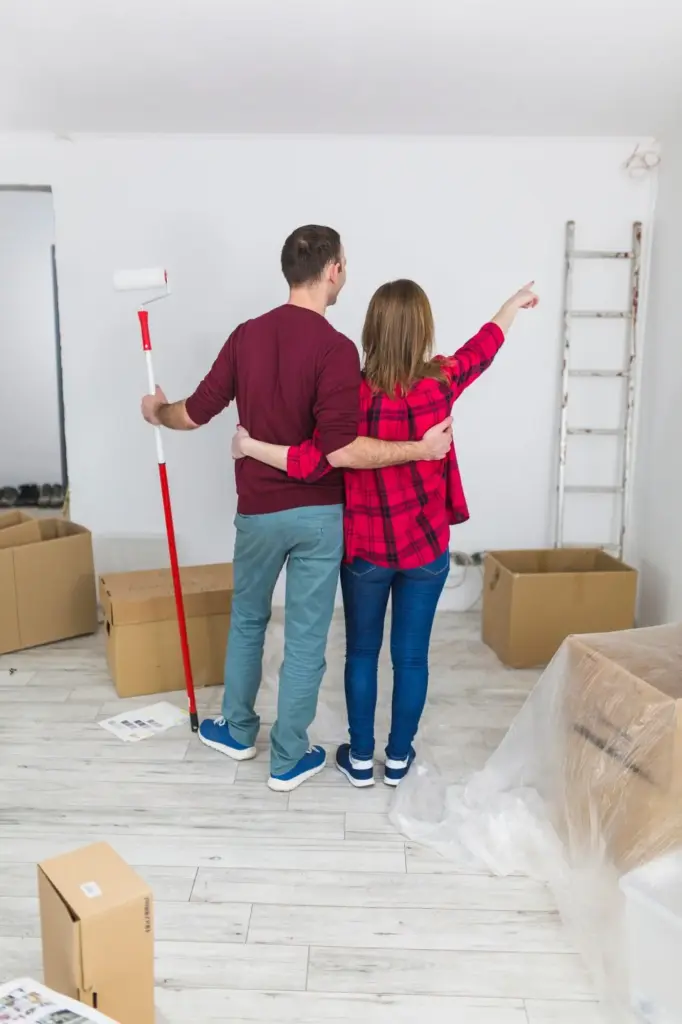
The Last Five Percent Makes the Space
Details decide whether a renovation feels finished. Caulk lines, door reveals, outlet alignment, and hardware tension create a quiet sense of quality. Air scrubbing, deep cleaning, and measured styling complete the experience. We’ll trade punch-list microscopes and share micro-fixes that transform rooms in an afternoon. Post your nearly-finished photos; we’ll spot quick wins that elevate comfort, function, and that satisfying, welcoming first step back into home.
Micro-Details Everyone Feels
Tight miter joints, centered switches, and level shower niches matter more than any trendy accent. Align art with furniture, not just walls. Use felt pads, cable clips, and door bumpers to eliminate tiny annoyances. Share a close-up that bugs you; we’ll craft a small, specific fix that teaches the eye what quality looks like and helps your space read intentionally calm rather than rushed.
Healthy Finishes and Fresh Air
Choose low-VOC paints, formaldehyde-free cabinets, and sealants that cure clean. Run HEPA filtration during and after work, and bake out spaces with warm cycles and ventilation. Track humidity to guard wood movement and mold risk. Tell us about sensitivities at home; we’ll propose material swaps, curing timelines, and airing routines that make the finished rooms smell neutral, feel breathable, and support long-term well-being for everyone.
Move-In Sequencing and Styling Swaps
Stage furniture so pathways remain open for last fixes. Protect floors during delivery day, and label boxes by room and priority. Start with lamps, rugs, and curtains to set mood quickly. Post two styling photos you love; we’ll suggest budget-friendly swaps, hanging heights, and plant placements that harmonize proportions, improve acoustics, and help your renovated rooms settle into daily life with grace and usefulness.
All Rights Reserved.